Care Based on the Cause, Not Just the Symptoms
Jaw pain, tooth wear and bite problems are not all caused by the same condition. Your dentist will assess your symptoms, tooth contacts, jaw movement, muscle tenderness, restorations and relevant habits before recommending monitoring, self-care, a protective appliance, restorative treatment or referral when appropriate.
Understand How Your Teeth Meet & Function Together
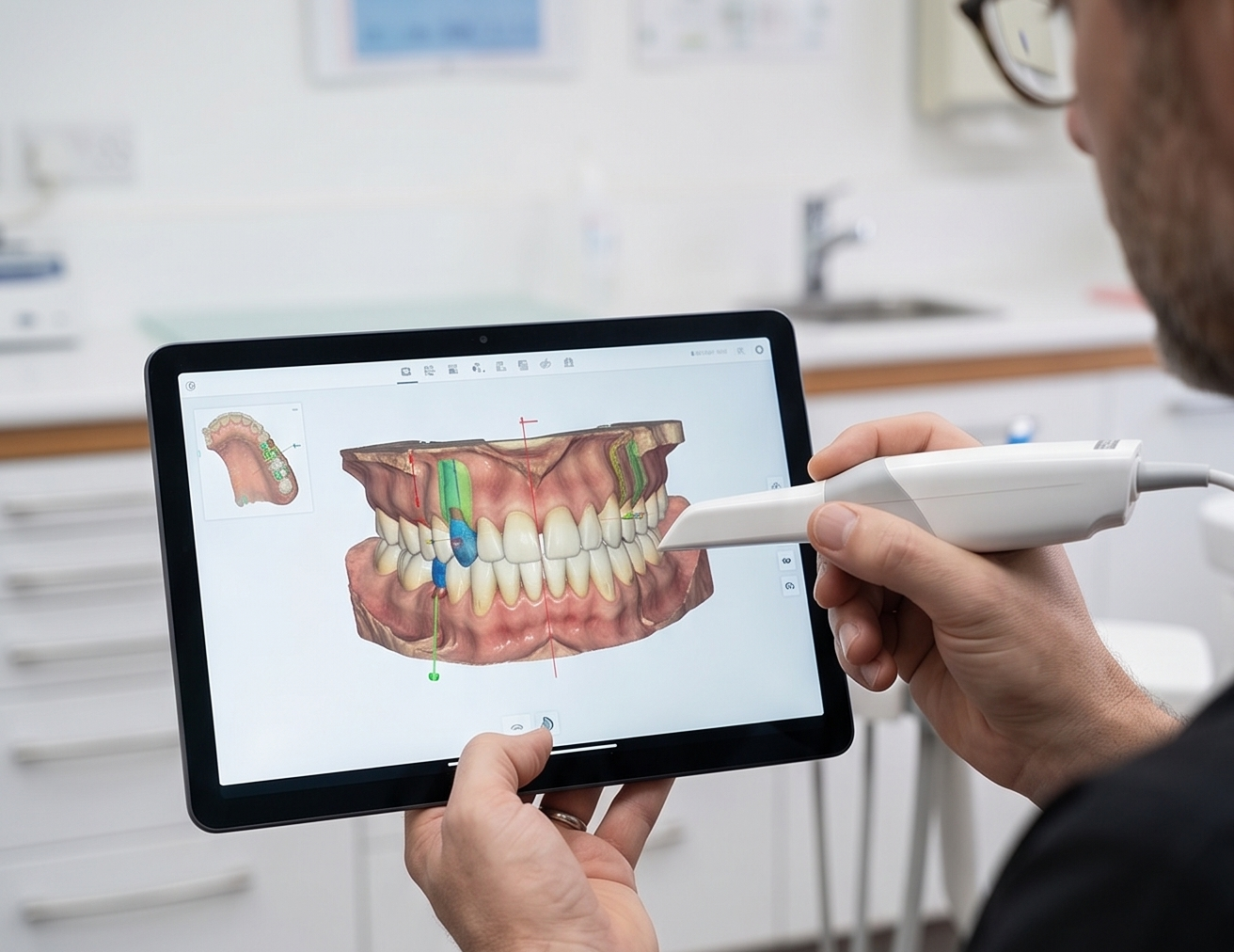
An occlusal analysis examines how the upper and lower teeth contact, how the jaw moves and whether tooth wear, fractures or restorations suggest uneven or excessive loading. The purpose is not to automatically adjust the bite. Instead, the assessment helps determine whether your tooth contacts are clinically relevant, whether monitoring is appropriate and whether any treatment should be considered.
- Assesses how the teeth contact during biting and jaw movement
- Records tooth wear, fractures and restoration damage
- Evaluates chewing-muscle and jaw-joint tenderness where relevant
- Helps identify forces that may threaten crowns, fillings or implants
- Provides a baseline for monitoring changes over time
- Helps avoid irreversible treatment without a clear clinical reason
Before & After
Real results from patients who underwent an Occlusal Analysis at our clinic.
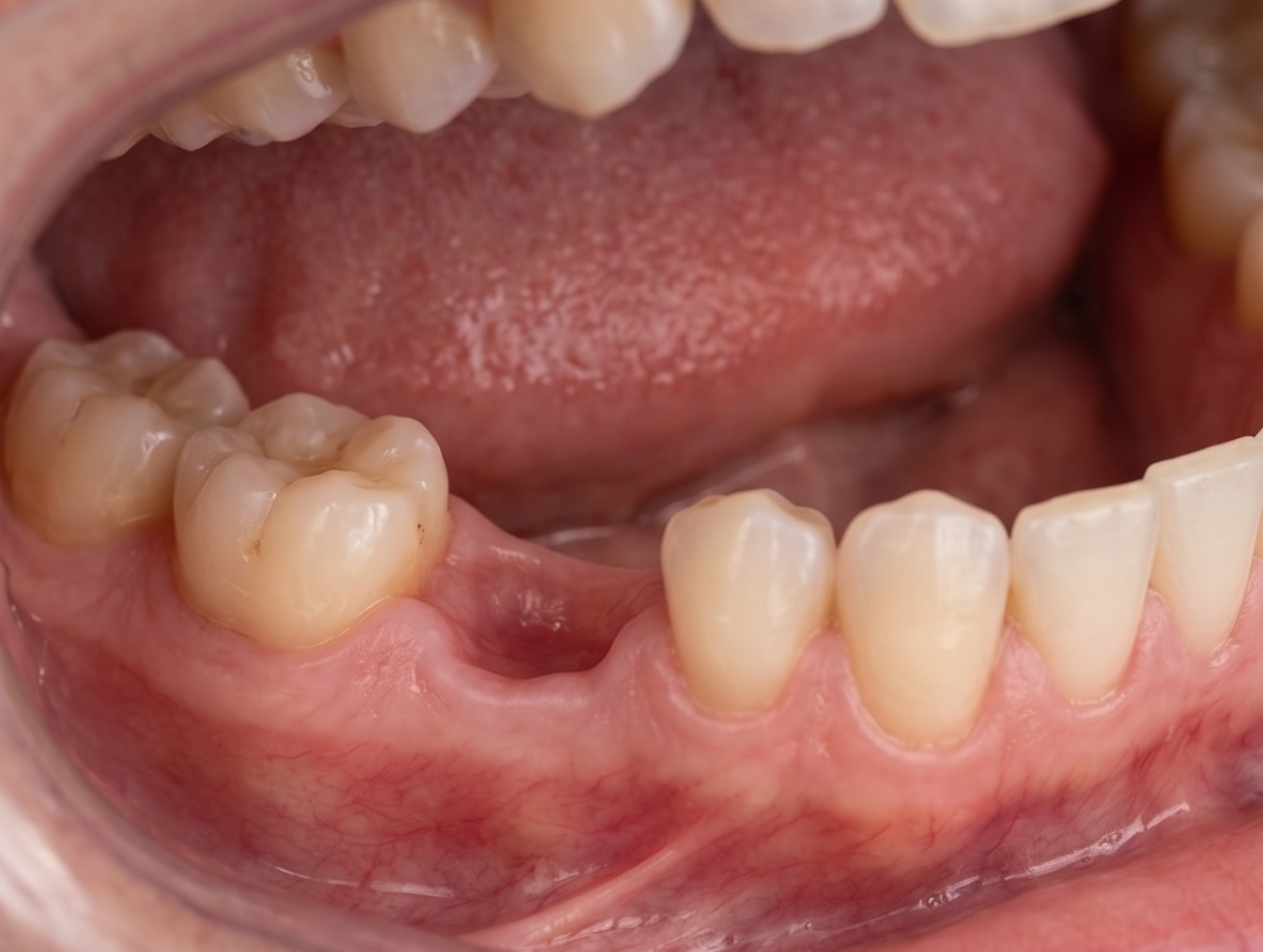
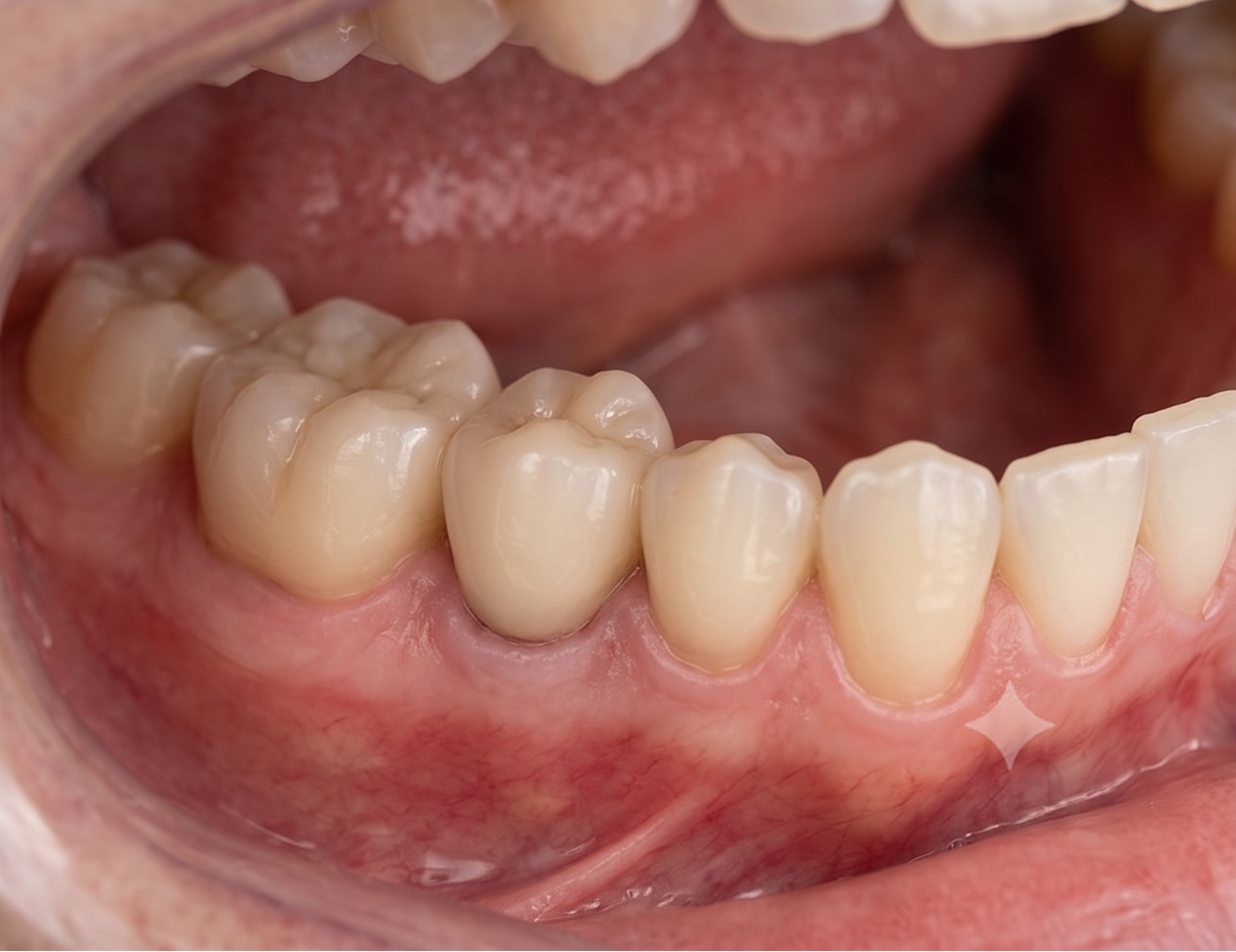
We discuss symptoms, recent dental changes, tooth wear, repeated fractures and situations in which the bite feels different.
Tooth contacts, wear patterns, mobility, cracks, missing teeth and existing dental work are assessed.
Jaw opening, side-to-side movement, muscle tenderness and relevant joint findings are recorded.
Photographs, digital scans, imaging or digital bite analysis may be used when they provide useful clinical information.
We discuss whether monitoring, habit modification, protective treatment or restorative planning is appropriate.
Start Jaw-Pain Care With Conservative, Reversible Steps
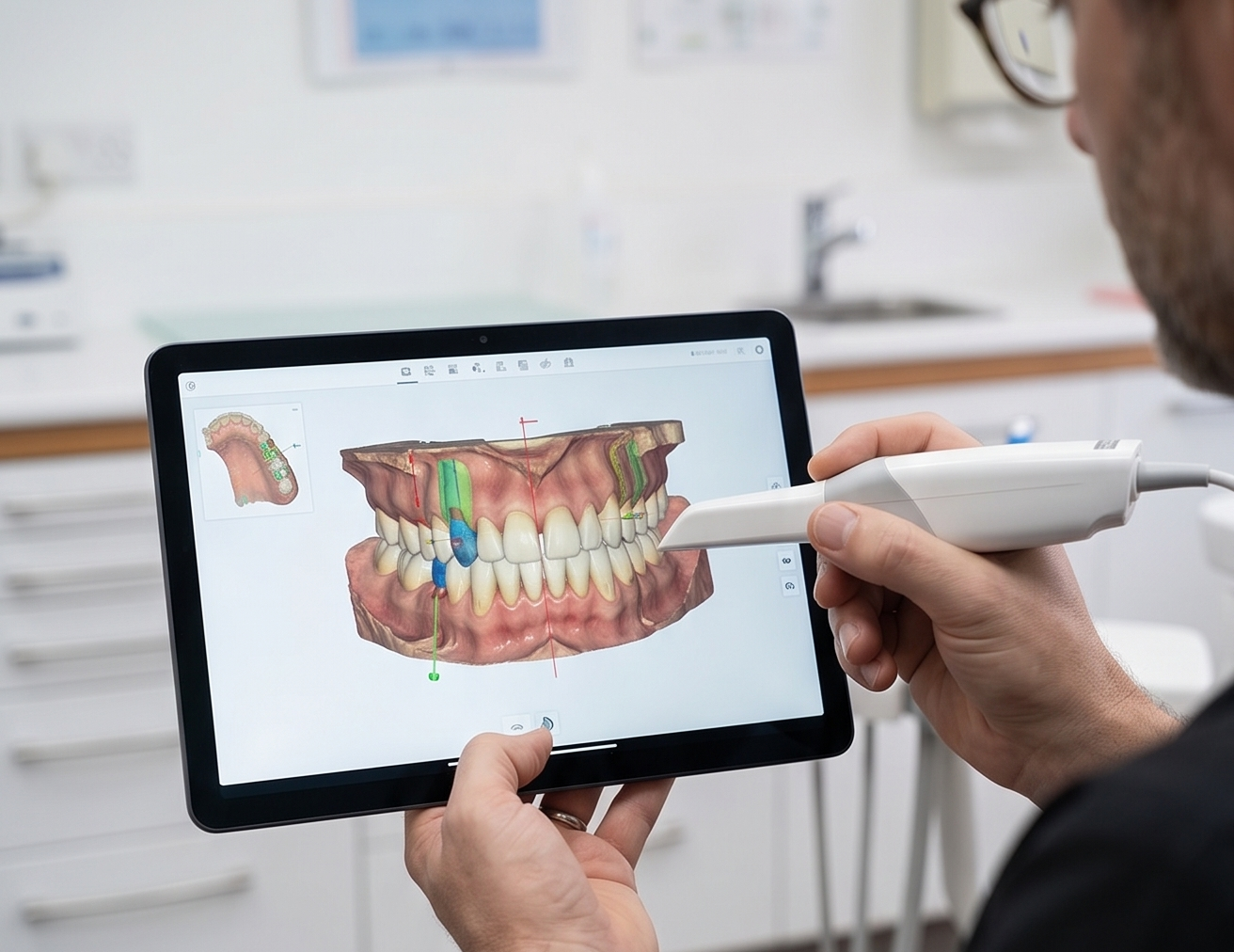
Temporomandibular disorders, or TMDs, include a group of conditions affecting the jaw joints, chewing muscles and surrounding tissues. Symptoms may include jaw pain, stiffness, painful clicking, limited movement, locking or discomfort during chewing. Because jaw pain can have different causes, treatment begins with diagnosis and simple, reversible measures rather than permanent changes to the teeth or bite.
- Considers muscles, joints, teeth, habits and other possible pain sources
- Distinguishes painless joint sounds from symptoms that may require care
- Begins with conservative measures where appropriate
- Avoids unnecessary permanent bite alteration
- Coordinates care with physical therapy, medical or other providers when indicated
- Reviews progress before considering more complex treatment
Before & After
Real results from patients who chose TMJ Disorder Treatment at our clinic.
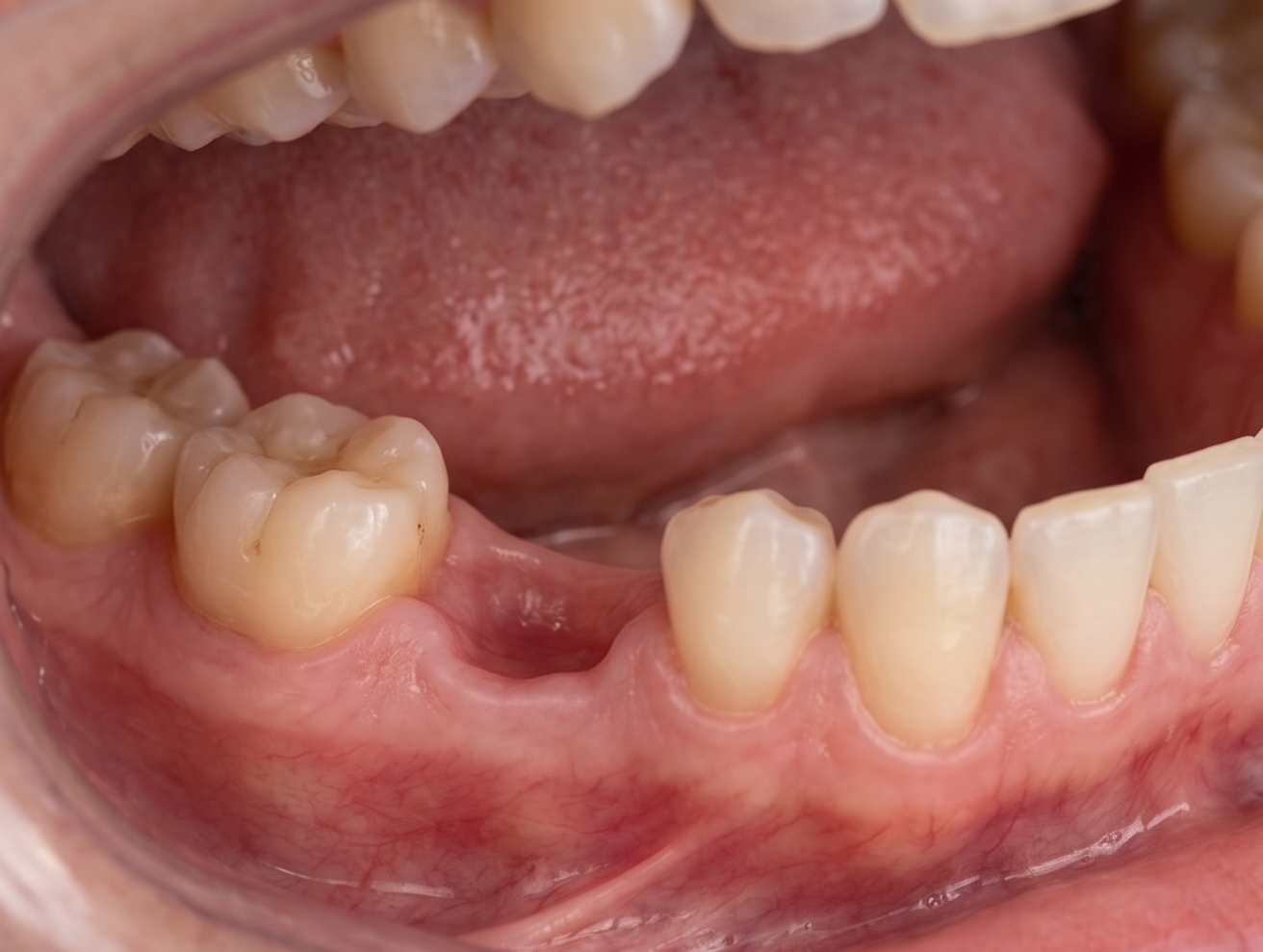
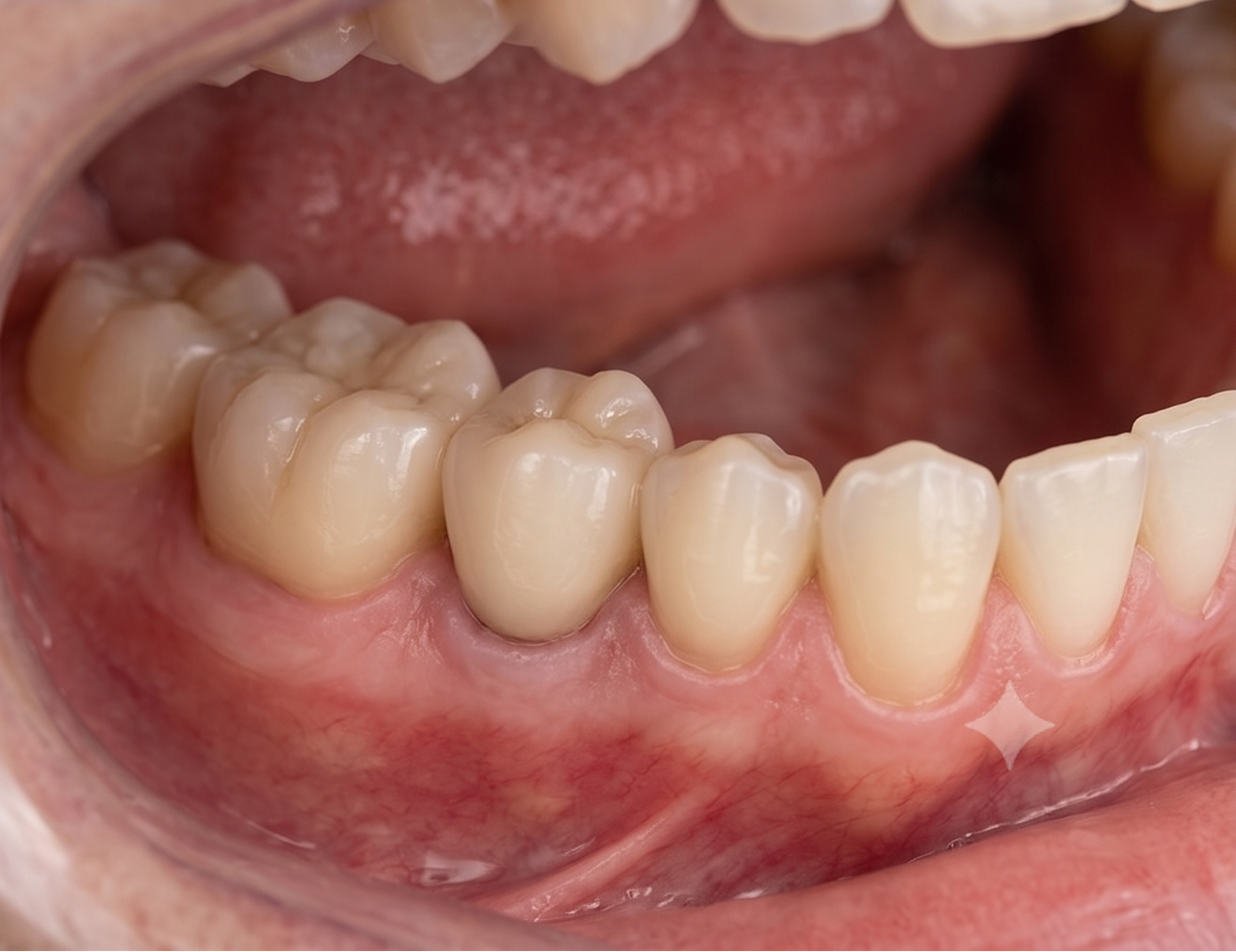
We review pain location, stiffness, locking, clicking, headaches, habits, sleep, trauma and relevant health history.
Teeth, jaw movement, chewing muscles and temporomandibular joints are assessed while other dental causes of pain are considered.
Depending on the diagnosis, initial management may include education, temporary diet modification, heat or cold, habit awareness and appropriate pain-management guidance.
Physical therapy, behavioural approaches, medication review or a reversible oral appliance may be considered according to the diagnosis.
Comfort, movement and function are reassessed before referral or more complex management is considered.

Protect Teeth From Grinding & Clenching Forces
Bruxism involves grinding, clenching or jaw activity that may occur while awake or during sleep. When these forces are contributing to tooth wear, chips or damage to dental restorations, a custom-made night guard may be recommended to create a protective barrier between the teeth. A night guard is designed primarily to protect the teeth and restorations. It should not be presented as a guaranteed cure for grinding or jaw pain.
- Helps protect teeth from direct grinding and clenching forces
- May reduce further wear or chipping in suitable cases
- Helps protect crowns, veneers and selected restorations
- Provides a more controlled fit than generic over-the-counter guards
- Can reveal wear patterns over time
- Can be adjusted if dental work or comfort changes
Before & After
Real results from patients who chose Night Guard Therapy at our clinic.
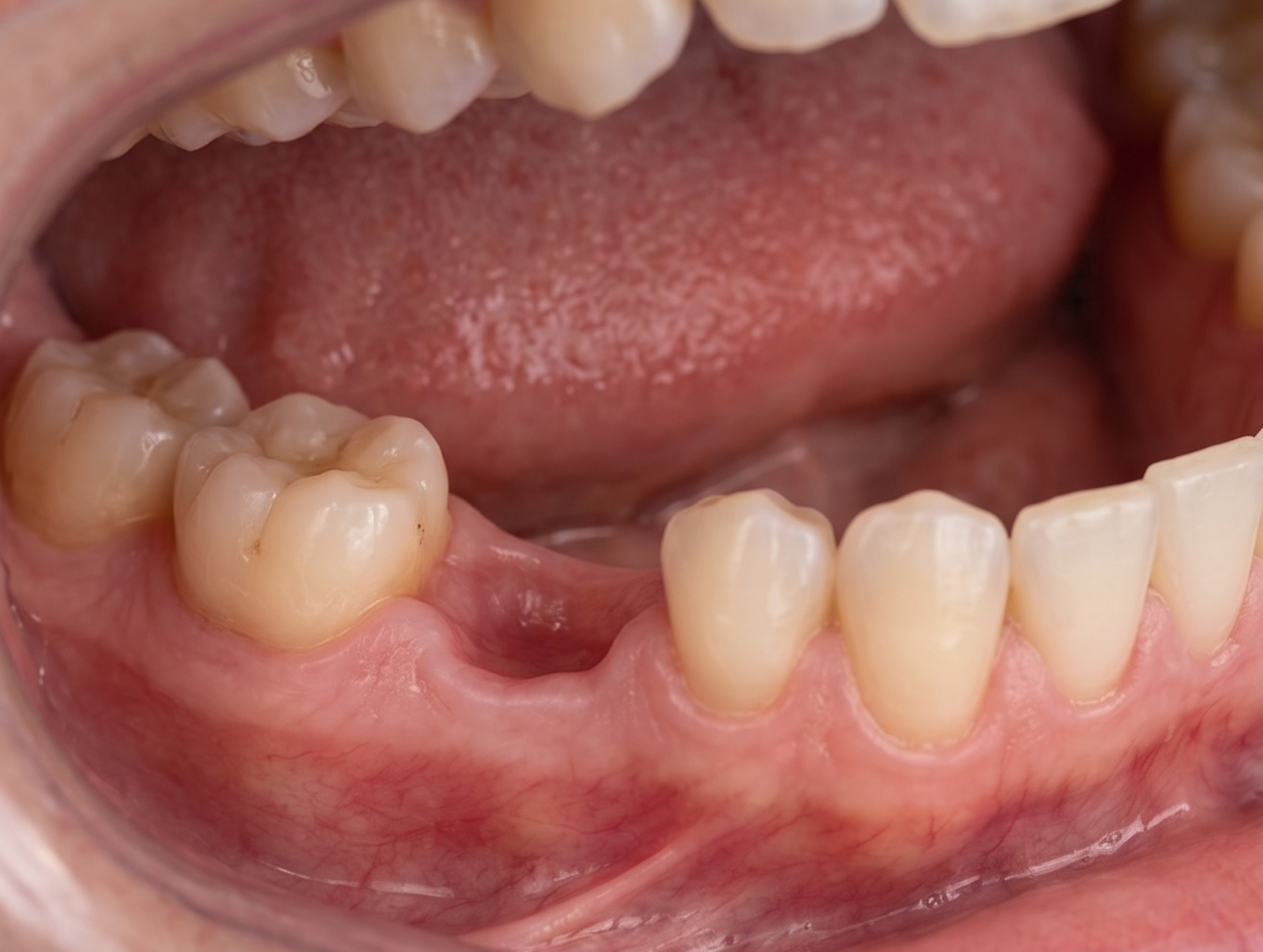
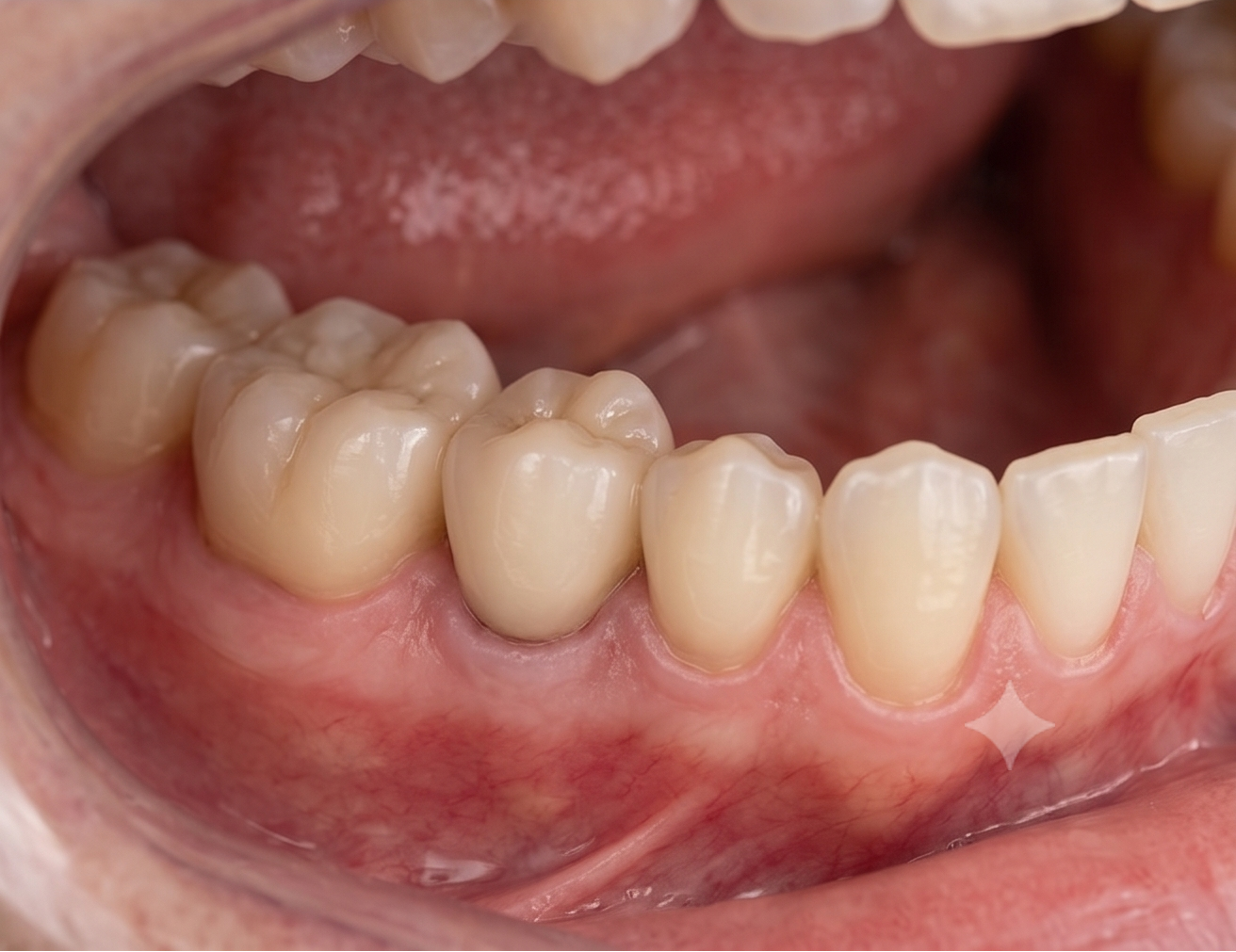
We assess tooth wear, fractures, restorations, symptoms and whether another condition needs attention first.
A digital scan or dental impression and bite record are used to capture the required fit.
The type, thickness and arch are selected according to the intended protective purpose.
The appliance is checked for retention, comfort and even contacts.
At follow-up, we inspect the appliance, teeth and bite and make adjustments when required.
Rebuild Worn or Failing Teeth in a Planned Sequence
Severe tooth wear, broken restorations, missing teeth or extensive previous dental work can sometimes make isolated repairs difficult to maintain. Bite rehabilitation coordinates the teeth, restorations and available support as part of a comprehensive restorative plan. This treatment is intended to rebuild structurally compromised teeth when there is a clear restorative need — not as a routine treatment for uncomplicated TMD or jaw pain.
- Coordinates treatment when multiple teeth are worn, fractured or heavily restored
- Restores missing support in a structured sequence
- Allows proposed changes to be tested before definitive treatment
- Coordinates crowns, onlays, implants, bridges or dentures where required
- Considers appearance, speech, function and cleaning access
- Includes long-term maintenance and protective planning
Before & After
Real results from patients who chose Bite Rehabilitation at our clinic.
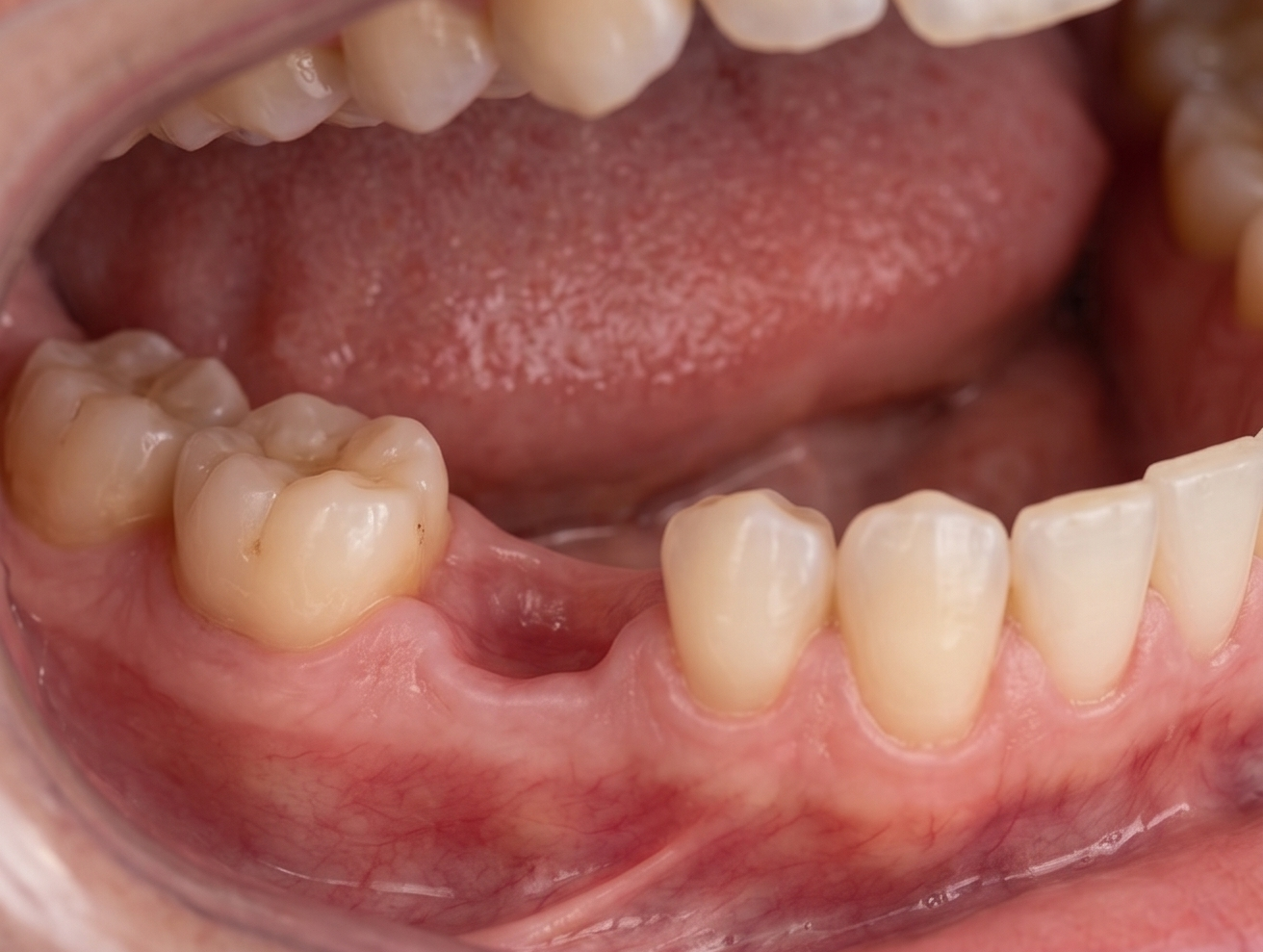
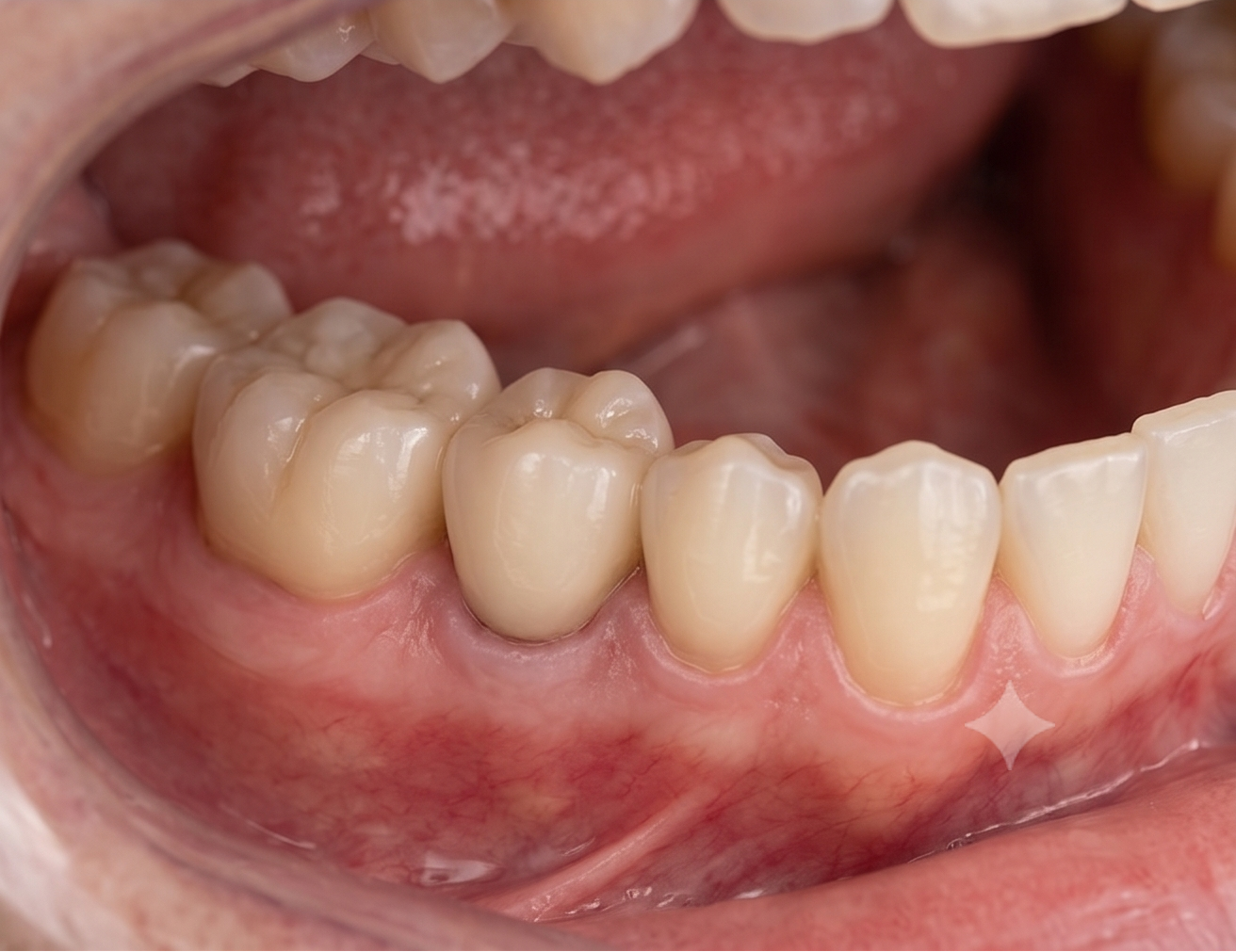
We assess tooth wear, fractures, missing teeth, gums, bite forces, habits and previous dental treatment.
Digital scans, photographs, appropriate imaging and restorative assessment guide the proposed treatment.
Decay, gum inflammation, infection and other active problems are managed before complex restorative treatment begins.
Temporary restorations or reversible trial stages may be used to evaluate comfort, appearance, speech and function.
Definitive restorations are completed in planned stages with appropriate review and long-term maintenance.